
The Government Prioritizes Natural Gas and Renewable Energy in the Energy Transition
GAS INDUSTRY NEWS
Editorial Team Koran Jakarta
2/9/2026
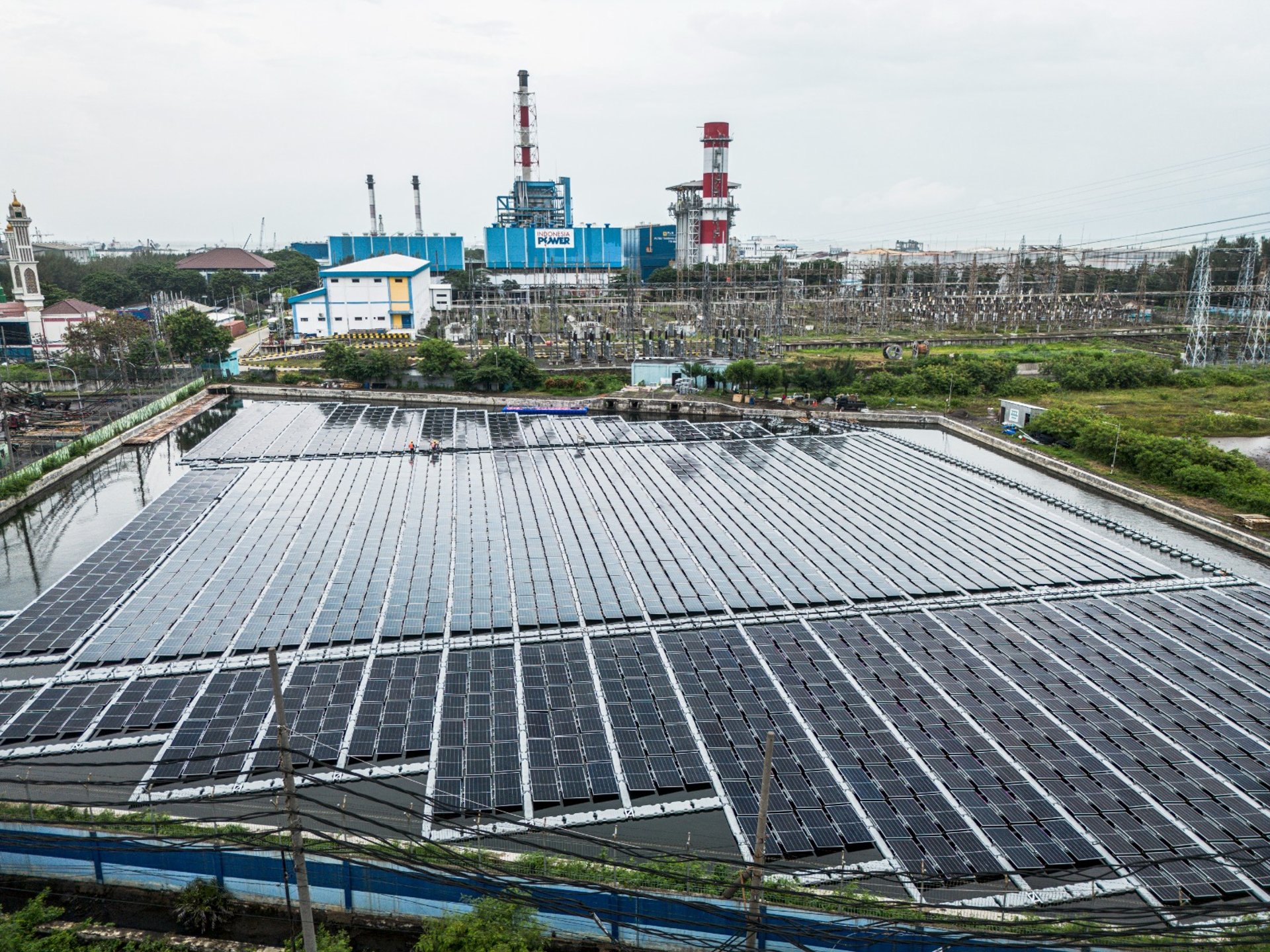
Satya Hangga Yudha, an expert staff member at the Minister of Energy and Mineral Resources, stated that the government is now prioritizing the optimization of natural gas and new and renewable energy (NRE) in natural resource management, in line with significant changes to the national energy roadmap.
"Indonesia, which was once a major oil exporter, is now focusing on natural gas and new and renewable energy," Hangga said in Jakarta on Monday (February 9).
He stated that Indonesia is in a crucial phase of energy transformation, balancing energy security, affordability, and a commitment to low emissions. Currently, national oil lifting is recorded at 605,300 barrels per day, far below the demand of 1.6 million barrels per day.
In contrast, Indonesia has a natural gas surplus with production of 6,500 MMSCFD and consumption of 4,500 MMSCFD. To meet domestic demand, particularly for PLN and PGN, the government is accelerating the development of gas infrastructure and strategic LNG projects such as Geng North, Abadi Masela, Andaman, FLNG Genting, and DSLNG to maintain supply beyond 2027.
Hangga also stated that the government established a Downstream Task Force through Presidential Decree No. 1 of 2025, chaired by Minister of Energy and Mineral Resources Bahlil Lahadalia, to strengthen cross-sector coordination.
In the downstream oil and gas sector, the government has begun adopting artificial intelligence (AI) technology to improve efficiency and safety, including leak detection and real-time monitoring of fuel and LPG distribution.
Furthermore, following the implementation of B40 biodiesel, the government is targeting B50 in the second half of 2026. In the 2025–2034 RUPTL (Regional Electricity Roadmap), the government targets an additional 69.5 GW of electricity capacity, with more than 60 percent coming from renewable energy, including the development of energy storage and the replacement of diesel-powered plants (PLTD) in the 3T (third-most remote) regions.
The development of small modular nuclear reactors (SMRs) is also under consideration in Bangka Belitung and West Kalimantan, while geothermal energy remains the mainstay of the baseload, with an installed capacity of 2.7 GW.
"Energy security is not just about resource availability, but the ability to meet domestic demand sustainably and competitively," said Hangga.
Satya Hangga Yudha, an expert staff member at the Minister of Energy and Mineral Resources, stated that the government is now prioritizing the optimization of natural gas and new and renewable energy (NRE) in natural resource management, in line with significant changes to the national energy roadmap.
"Indonesia, which was once a major oil exporter, is now focusing on natural gas and new and renewable energy," Hangga said in Jakarta on Monday (February 9).
He stated that Indonesia is in a crucial phase of energy transformation, balancing energy security, affordability, and a commitment to low emissions. Currently, national oil lifting is recorded at 605,300 barrels per day, far below the demand of 1.6 million barrels per day.
In contrast, Indonesia has a natural gas surplus with production of 6,500 MMSCFD and consumption of 4,500 MMSCFD. To meet domestic demand, particularly for PLN and PGN, the government is accelerating the development of gas infrastructure and strategic LNG projects such as Geng North, Abadi Masela, Andaman, FLNG Genting, and DSLNG to maintain supply beyond 2027.
Hangga also stated that the government established a Downstream Task Force through Presidential Decree No. 1 of 2025, chaired by Minister of Energy and Mineral Resources Bahlil Lahadalia, to strengthen cross-sector coordination.
In the downstream oil and gas sector, the government has begun adopting artificial intelligence (AI) technology to improve efficiency and safety, including leak detection and real-time monitoring of fuel and LPG distribution.
Furthermore, following the implementation of B40 biodiesel, the government is targeting B50 in the second half of 2026. In the 2025–2034 RUPTL (Regional Electricity Roadmap), the government targets an additional 69.5 GW of electricity capacity, with more than 60 percent coming from renewable energy, including the development of energy storage and the replacement of diesel-powered plants (PLTD) in the 3T (third-most remote) regions.
The development of small modular nuclear reactors (SMRs) is also under consideration in Bangka Belitung and West Kalimantan, while geothermal energy remains the mainstay of the baseload, with an installed capacity of 2.7 GW.
"Energy security is not just about resource availability, but the ability to meet domestic demand sustainably and competitively," said Hangga.
Office:
Rasuna Office Park, 3rd Floor Unit TO-07
Complex Rasuna Epicentrum
Jl. HR. Rasuna Said, Kuningan, Jakarta 12960
Tel : +62 21 8378 3757, 8379 5203
Fax : +62 21 8378 1126, 8379 5302
Email : secretariat@indonesiangassociety.com
© 2014. Indonesian Gas Society. All rights reserved.

Mailing Address:
Jl.Kebon Baru 3 No.4 RT.03/RW.09 Tebet, Asem Baris,Jakarta Selatan, 12830