
Java's Largest OLNG Plant to Begin Operations Soon
GAS INDUSTRY NEWS
Rio Indrawan (Dunia Energi)
2/27/2026
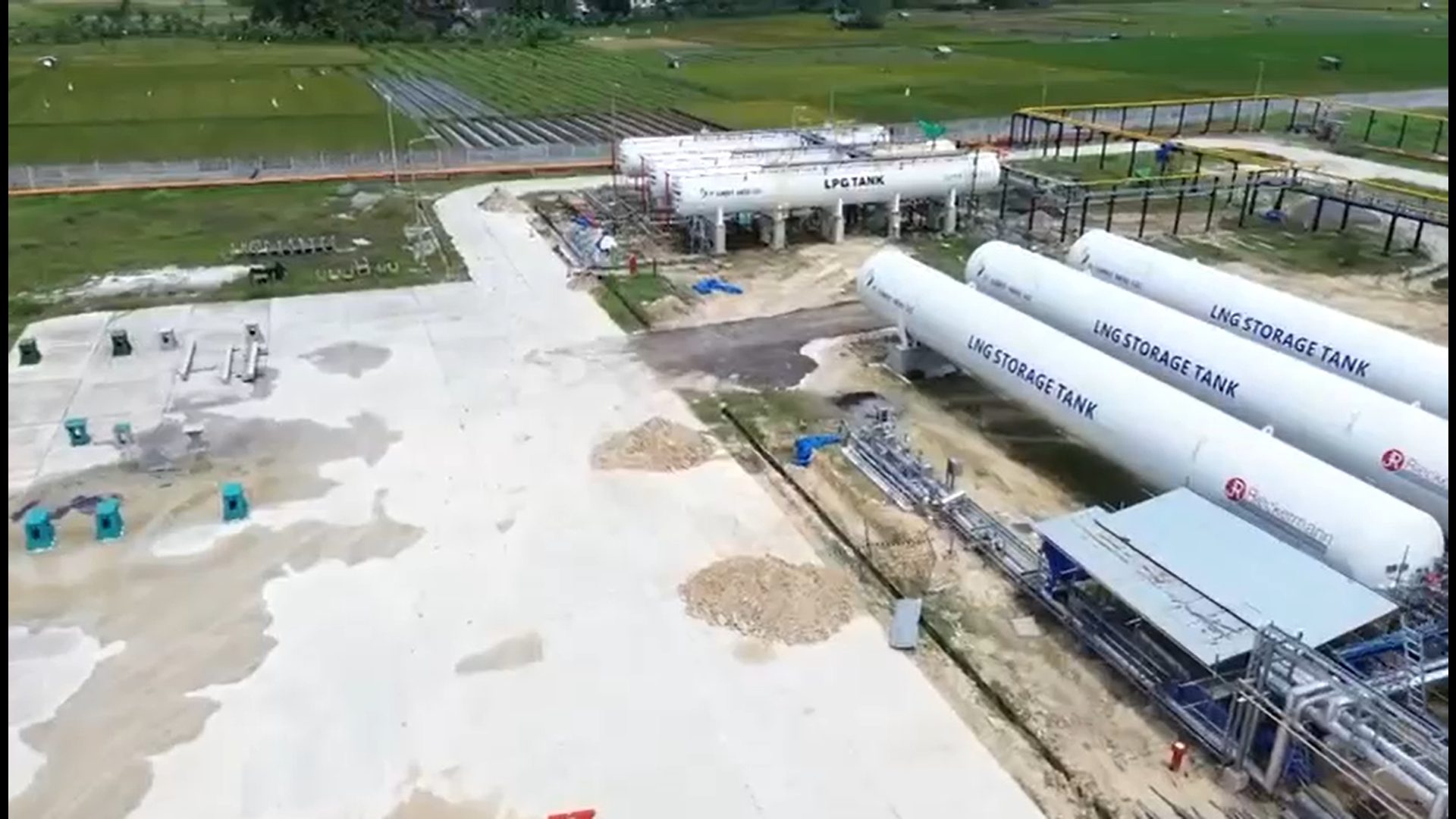
The Special Task Force for Upstream Oil and Gas Business Activities (SKK Migas) announced that the OLNG, LPG, and Condensate plant built by PT Sumber Aneka Gas is ready for operation. The plant is an integrated OLNG, LPG, and Condensate plant and is the second LNG plant on Java Island, as well as the largest OLNG plant on the island.
Djoko Siswanto, Head of the Special Task Force for Upstream Oil and Gas Business Activities (SKK Migas), revealed that this project has been a long journey since the discovery of gas in the Sumber Field approximately 10 years ago.
"The journey to finally constructing this plant has been quite long, having been quite long since the discovery of gas in the Sumber Field approximately 10 years ago; the bureaucratic tug-of-war over gas utilization, which was quite difficult, has finally been resolved," Djoko told Dunia Energi on Friday (27/2).
The project is currently in the commissioning phase and is targeted for inauguration after Eid al-Fitr. "The progress is currently entering the commissioning phase, and God willing, the inauguration will take place after Eid al-Fitr," he said.
The raw materials for this integrated OLNG, LPG & Condensate plant come from Pertamina EP through several of its assets in East Java.
The natural gas coming from the well contains C1 (methane), C2 (ethane), C3 (propane), and C4 (butane), and does not contain C5, C6+ (pentane, benzene, and so on). The impurities include CO2 (carbon dioxide 47%) and N2 (nitrogen 3%).
In the integrated refinery, the gas is first separated from its CO2 content—which is said to be the highest ever processed, at 47% CO2—and the N2 is separated.
C1 and C2 become LNG,
C3 and C4 become LPG,
C5+ becomes condensate, and
the separated CO2 is then stored as part of the CCS/CCUS program.
The new plant's production capacity includes 10 billion British thermal units per day (BBTUD) of LNG, 30 metric tons per day (MTPD) of LPG, and 500 barrels per day (bpd) of condensate.
According to Djoko, the presence of this plant not only supports energy security efforts but also has a direct impact on the local economy.
"Trillions of rupiah have been invested in the construction of this integrated plant. This project is also expected to boost employment, stimulate the economy, and strengthen national energy security," said Djoko.
The Special Task Force for Upstream Oil and Gas Business Activities (SKK Migas) announced that the OLNG, LPG, and Condensate plant built by PT Sumber Aneka Gas is ready for operation. The plant is an integrated OLNG, LPG, and Condensate plant and is the second LNG plant on Java Island, as well as the largest OLNG plant on the island.
Djoko Siswanto, Head of the Special Task Force for Upstream Oil and Gas Business Activities (SKK Migas), revealed that this project has been a long journey since the discovery of gas in the Sumber Field approximately 10 years ago.
"The journey to finally constructing this plant has been quite long, having been quite long since the discovery of gas in the Sumber Field approximately 10 years ago; the bureaucratic tug-of-war over gas utilization, which was quite difficult, has finally been resolved," Djoko told Dunia Energi on Friday (27/2).
The project is currently in the commissioning phase and is targeted for inauguration after Eid al-Fitr. "The progress is currently entering the commissioning phase, and God willing, the inauguration will take place after Eid al-Fitr," he said.
The raw materials for this integrated OLNG, LPG & Condensate plant come from Pertamina EP through several of its assets in East Java.
The natural gas coming from the well contains C1 (methane), C2 (ethane), C3 (propane), and C4 (butane), and does not contain C5, C6+ (pentane, benzene, and so on). The impurities include CO2 (carbon dioxide 47%) and N2 (nitrogen 3%).
In the integrated refinery, the gas is first separated from its CO2 content—which is said to be the highest ever processed, at 47% CO2—and the N2 is separated.
C1 and C2 become LNG,
C3 and C4 become LPG,
C5+ becomes condensate, and
the separated CO2 is then stored as part of the CCS/CCUS program.
The new plant's production capacity includes 10 billion British thermal units per day (BBTUD) of LNG, 30 metric tons per day (MTPD) of LPG, and 500 barrels per day (bpd) of condensate.
According to Djoko, the presence of this plant not only supports energy security efforts but also has a direct impact on the local economy.
"Trillions of rupiah have been invested in the construction of this integrated plant. This project is also expected to boost employment, stimulate the economy, and strengthen national energy security," said Djoko.
Office:
Rasuna Office Park, 3rd Floor Unit TO-07
Complex Rasuna Epicentrum
Jl. HR. Rasuna Said, Kuningan, Jakarta 12960
Tel : +62 21 8378 3757, 8379 5203
Fax : +62 21 8378 1126, 8379 5302
Email : secretariat@indonesiangassociety.com
© 2014. Indonesian Gas Society. All rights reserved.
Mailing Address:
Jl.Kebon Baru 3 No.4 RT.03/RW.09 Tebet, Asem Baris,Jakarta Selatan, 12830