
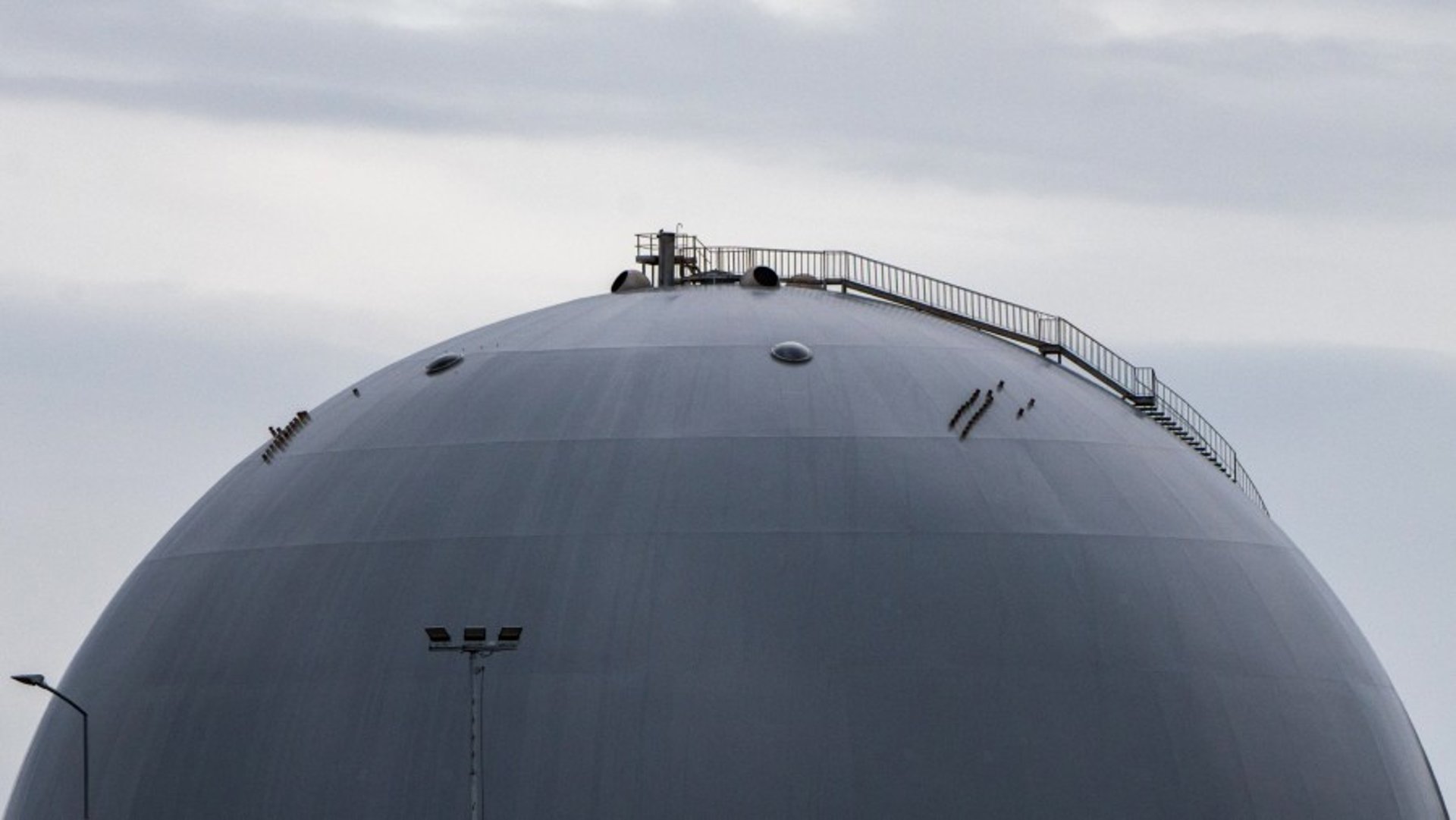
IEA: Iran War Will Keep Gas Markets Tight for Another Two Years
GAS INDUSTRY NEWS
Elena Mazneva (bloombergtechnoz)
4/24/2026
Global natural gas markets are expected to remain tight well beyond this year, as ongoing conflict in the Middle East and damage to regional infrastructure continue to disrupt supplies, according to the International Energy Agency (IEA).
In a report published Friday, the IEA said the war has delayed a long-awaited glut in liquefied natural gas (LNG) supplies, even as new capacity comes online. The impact of that expansion—driven largely by the US—is delayed by "at least two years."
This outlook aligns with a warning from Vitol Group earlier this week, which said global supplies could potentially be disrupted until 2028. The energy trading company cited damage to an LNG facility in Qatar last month and delays to new projects across the Middle East.
The conflict, now in its second month, shows no signs of abating, effectively blocking about a fifth of global oil and LNG supplies. Qatar said last month's Iranian attack damaged about 17% of its gas liquefaction capacity, with repairs potentially taking up to five years.
The combined impact of short-term supply losses and slower capacity growth could result in a cumulative shortfall of around 120 billion cubic meters of LNG between 2026 and 2030, the IEA said. This estimate includes delays to the North Field East expansion project in Qatar.
For now, demand has weakened in key import markets in response to higher prices, warmer weather, and policy efforts to curb consumption. Some Asian countries are turning to fuel switching and demand-side measures to limit gas use amid the supply crunch.
“Demand response will be key to balancing global gas markets,” the IEA said.
Global natural gas markets are expected to remain tight well beyond this year, as ongoing conflict in the Middle East and damage to regional infrastructure continue to disrupt supplies, according to the International Energy Agency (IEA).
In a report published Friday, the IEA said the war has delayed a long-awaited glut in liquefied natural gas (LNG) supplies, even as new capacity comes online. The impact of that expansion—driven largely by the US—is delayed by "at least two years."
This outlook aligns with a warning from Vitol Group earlier this week, which said global supplies could potentially be disrupted until 2028. The energy trading company cited damage to an LNG facility in Qatar last month and delays to new projects across the Middle East.
The conflict, now in its second month, shows no signs of abating, effectively blocking about a fifth of global oil and LNG supplies. Qatar said last month's Iranian attack damaged about 17% of its gas liquefaction capacity, with repairs potentially taking up to five years.
The combined impact of short-term supply losses and slower capacity growth could result in a cumulative shortfall of around 120 billion cubic meters of LNG between 2026 and 2030, the IEA said. This estimate includes delays to the North Field East expansion project in Qatar.
For now, demand has weakened in key import markets in response to higher prices, warmer weather, and policy efforts to curb consumption. Some Asian countries are turning to fuel switching and demand-side measures to limit gas use amid the supply crunch.
“Demand response will be key to balancing global gas markets,” the IEA said.
Office:
Rasuna Office Park, 3rd Floor Unit TO-07
Complex Rasuna Epicentrum
Jl. HR. Rasuna Said, Kuningan, Jakarta 12960
Tel : +62 21 8378 3757, 8379 5203
Fax : +62 21 8378 1126, 8379 5302
Email : secretariat@indonesiangassociety.com
© 2014. Indonesian Gas Society. All rights reserved.


Mailing Address:
Jl.Kebon Baru 3 No.4 RT.03/RW.09 Tebet, Asem Baris,Jakarta Selatan, 12830