
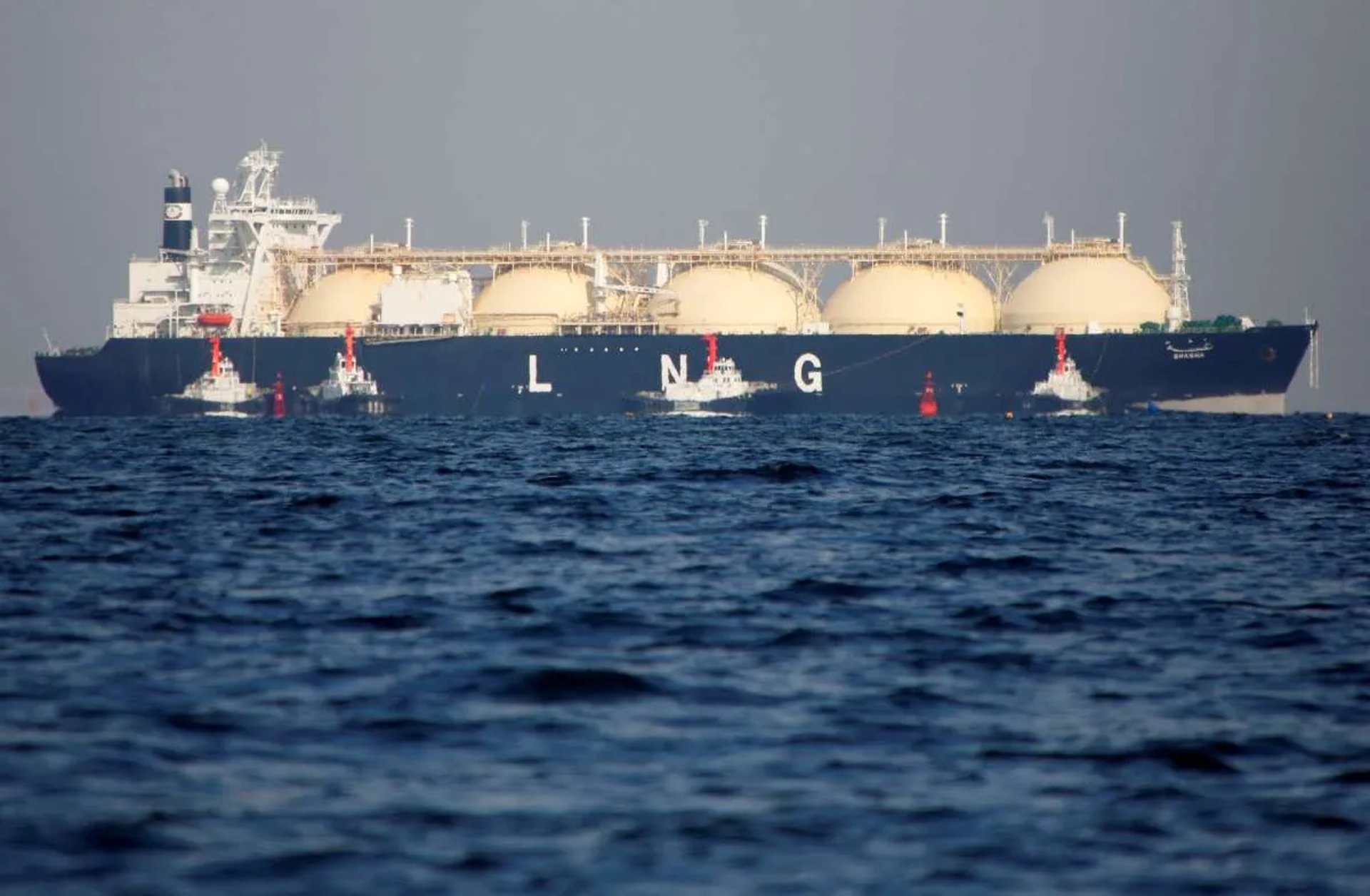
Global LNG Prices Soar, Indonesia Urged to Focus on Securing Energy Supply
GAS INDUSTRY NEWS
Yudho Winarto (industri kontan)
5/19/2026
Geopolitical escalation in the Middle East has triggered a global energy crisis that is starting to impact global energy supply chains and prices, including liquefied natural gas (LNG). In this situation, the sustainability of energy supply is considered the most important factor to maintain.
Energy expert, Professor at the University of Indonesia and Rector of PLN's IT Department, Prof. Iwa Garniwa, stated that in a geopolitical crisis, the country's top priority is ensuring energy security, not simply maintaining low prices.
"In a geopolitical crisis, the top priority is security of supply, not price. Securing physical supply is far more crucial than simply maintaining prices. If the energy isn't available, even low prices are useless," Iwa said in a statement on Tuesday (May 19, 2026).
He cited the statement by the Minister of Energy and Mineral Resources (ESDM), Bahlil Lahadalia, who previously revealed that Indonesia had secured two energy shipments, but the ships turned back before entering Indonesian waters because another country was willing to buy at a higher price.
According to Iwa, this situation is the reality of the global energy market, especially in the spot market when supply is tight.
"Whoever pays the most will turn away. Countries without long-term contracts, flexible regasification infrastructure, and strategic reserves will be unable to compete," he explained.
He emphasized that energy is the "oxygen" of the economy. Without electricity and gas supplies for industry, production activities could stop, supply chains would be disrupted, and inflation would rise.
Therefore, Iwa believes that in a situation like the current one, energy availability must be the top priority before price regulation is implemented. "Availability first, then affordability management. Don't reverse it," he said.
Energy Price Pressure
Iwa explained that the current surge in global energy prices is already beginning to be felt domestically. Industrial LPG prices have increased by around 25%–26%, while industrial diesel prices have increased by around 77%–84% following the rise in global energy prices.
Meanwhile, domestic LNG prices are considered to be holding back because most contracts still use old prices. However, upward price pressure is expected to emerge soon. "Domestic LNG hasn't increased because it's still using old contracts, but that pressure will come," he said.
He stated that the escalation of conflict in the Middle East since February 2026 has triggered a spike in global LNG benchmark prices.
The Japan Crude Cocktail (JCC) recorded a 97% increase, while the Japan Korea Marker (JKM) surged by around 111% from March to April 2026.
This increase also pushed the Indonesian Crude Price (ICP) up by around 99% compared to the initial assumption at the start of the year.
According to Iwa, the public needs to understand that domestic LNG prices remain linked to global market mechanisms because the pricing formula still refers to international indicators such as the JCC and JKM.
"To secure domestic LNG, we must shift our mindset from 'sell as cheaply as possible' to 'guarantee supply first, manage prices.' Don't deny it by holding prices too long," he said.
Government Urged to Prioritize Domestic Supply
Amidst an increasingly tight global LNG market, Iwa believes the government needs to prioritize securing domestic supply, including considering diverting some exported LNG supplies to domestic needs. He believes this step is crucial because the industrial sector is a key driver of the national economy and a creator of jobs.
"Without energy security, industry will face production pressures, which will ultimately have a broad impact on the economy," he said. He also emphasized the strategic role of natural gas as a transitional energy source and a pillar of national industrial competitiveness.
"Without gas, the energy transition is impossible, and losing gas would mean losing industrial competitiveness," he said.
Although domestic LNG prices will be adjusted, Iwa believes LNG remains more competitive than other fossil fuels. Based on calculations by the Oil and Gas Regulatory Agency (BPH Migas) and the Ministry of Energy and Mineral Resources, 1 mmbtu of gas is equivalent to approximately 7 liters of diesel.
If the adjusted LNG price reaches Rp 150,000 per mmbtu, it would be equivalent to approximately Rp 21,400 per liter of diesel. Meanwhile, the current price of non-subsidized industrial diesel is said to be much higher, not including higher machine maintenance costs.
Furthermore, gas is considered to have higher combustion efficiency, around 90%–95%, compared to diesel, which ranges from 80%–85%. Gas carbon emissions are also said to be around 40% lower than coal and 25% lower than diesel.
After price adjustments, domestic LNG for industry is estimated to be in the range of US$21–25 per MMBTU, still lower than industrial LPG at around US$28.3 per MMBTU and industrial diesel at around US$43 per MMBTU.
Geopolitical escalation in the Middle East has triggered a global energy crisis that is starting to impact global energy supply chains and prices, including liquefied natural gas (LNG). In this situation, the sustainability of energy supply is considered the most important factor to maintain.
Energy expert, Professor at the University of Indonesia and Rector of PLN's IT Department, Prof. Iwa Garniwa, stated that in a geopolitical crisis, the country's top priority is ensuring energy security, not simply maintaining low prices.
"In a geopolitical crisis, the top priority is security of supply, not price. Securing physical supply is far more crucial than simply maintaining prices. If the energy isn't available, even low prices are useless," Iwa said in a statement on Tuesday (May 19, 2026).
He cited the statement by the Minister of Energy and Mineral Resources (ESDM), Bahlil Lahadalia, who previously revealed that Indonesia had secured two energy shipments, but the ships turned back before entering Indonesian waters because another country was willing to buy at a higher price.
According to Iwa, this situation is the reality of the global energy market, especially in the spot market when supply is tight.
"Whoever pays the most will turn away. Countries without long-term contracts, flexible regasification infrastructure, and strategic reserves will be unable to compete," he explained.
He emphasized that energy is the "oxygen" of the economy. Without electricity and gas supplies for industry, production activities could stop, supply chains would be disrupted, and inflation would rise.
Therefore, Iwa believes that in a situation like the current one, energy availability must be the top priority before price regulation is implemented. "Availability first, then affordability management. Don't reverse it," he said.
Energy Price Pressure
Iwa explained that the current surge in global energy prices is already beginning to be felt domestically. Industrial LPG prices have increased by around 25%–26%, while industrial diesel prices have increased by around 77%–84% following the rise in global energy prices.
Meanwhile, domestic LNG prices are considered to be holding back because most contracts still use old prices. However, upward price pressure is expected to emerge soon. "Domestic LNG hasn't increased because it's still using old contracts, but that pressure will come," he said.
He stated that the escalation of conflict in the Middle East since February 2026 has triggered a spike in global LNG benchmark prices.
The Japan Crude Cocktail (JCC) recorded a 97% increase, while the Japan Korea Marker (JKM) surged by around 111% from March to April 2026.
This increase also pushed the Indonesian Crude Price (ICP) up by around 99% compared to the initial assumption at the start of the year.
According to Iwa, the public needs to understand that domestic LNG prices remain linked to global market mechanisms because the pricing formula still refers to international indicators such as the JCC and JKM.
"To secure domestic LNG, we must shift our mindset from 'sell as cheaply as possible' to 'guarantee supply first, manage prices.' Don't deny it by holding prices too long," he said.
Government Urged to Prioritize Domestic Supply
Amidst an increasingly tight global LNG market, Iwa believes the government needs to prioritize securing domestic supply, including considering diverting some exported LNG supplies to domestic needs. He believes this step is crucial because the industrial sector is a key driver of the national economy and a creator of jobs.
"Without energy security, industry will face production pressures, which will ultimately have a broad impact on the economy," he said. He also emphasized the strategic role of natural gas as a transitional energy source and a pillar of national industrial competitiveness.
"Without gas, the energy transition is impossible, and losing gas would mean losing industrial competitiveness," he said.
Although domestic LNG prices will be adjusted, Iwa believes LNG remains more competitive than other fossil fuels. Based on calculations by the Oil and Gas Regulatory Agency (BPH Migas) and the Ministry of Energy and Mineral Resources, 1 mmbtu of gas is equivalent to approximately 7 liters of diesel.
If the adjusted LNG price reaches Rp 150,000 per mmbtu, it would be equivalent to approximately Rp 21,400 per liter of diesel. Meanwhile, the current price of non-subsidized industrial diesel is said to be much higher, not including higher machine maintenance costs.
Furthermore, gas is considered to have higher combustion efficiency, around 90%–95%, compared to diesel, which ranges from 80%–85%. Gas carbon emissions are also said to be around 40% lower than coal and 25% lower than diesel.
After price adjustments, domestic LNG for industry is estimated to be in the range of US$21–25 per MMBTU, still lower than industrial LPG at around US$28.3 per MMBTU and industrial diesel at around US$43 per MMBTU.
Office:
Rasuna Office Park, 3rd Floor Unit TO-07
Complex Rasuna Epicentrum
Jl. HR. Rasuna Said, Kuningan, Jakarta 12960
Tel : +62 21 8378 3757, 8379 5203
Fax : +62 21 8378 1126, 8379 5302
Email : secretariat@indonesiangassociety.com
© 2014. Indonesian Gas Society. All rights reserved.


Mailing Address:
Jl.Kebon Baru 3 No.4 RT.03/RW.09 Tebet, Asem Baris,Jakarta Selatan, 12830